



BANGLES
This week, we explore the critical link between diet and kidney health, drawing on expert insights to help readers make informed choices that can prevent or manage chronic kidney disease. With kidney transplants now a major financial burden for many families, dietary discipline has become a vital tool for preserving kidney function and sustaining overall well-being.
Last week, attention was drawn to several factors that negatively impact kidney health. Today, we focus on practical dietary tips and expert recommendations for keeping the kidneys in good working condition. As the Chinese proverb says, “Food is medicine and medicine is food” — and so, we turn to food for healing and prevention.
According to Medical News Today, people with kidney disease typically need a diet low in sodium, protein, potassium and phosphorus. This means limiting or avoiding foods such as avocados, brown rice, and chips. Specialists recommend that a renal diet — or kidney-friendly diet — be tailored to the stage of the disease. Those in early stages of chronic kidney disease (CKD) should limit sodium and protein intake, while those in later stages should restrict sodium, potassium and phosphorus even further.
Foods to avoid for better kidney health
People with kidney disease are often advised to steer clear of foods high in salt, potassium, phosphorus and additives. These include canned foods, whole wheat bread, dark-coloured drinks, avocados, bananas, oranges and dried fruits. Tomatoes and brown rice, though healthy for many, contain high levels of potassium and phosphorus, which may aggravate kidney problems.
Dairy products, while traditionally recommended for strong bones, can be harmful for people with CKD due to their high phosphorus content, which weakens bones when present in excess. Coconut milk is a preferred substitute because it contains lower levels of sodium and potassium.
Processed meats like bacon, hot dogs and pepperoni, as well as pickled items, bran cereals and potato-based snacks, also contain excessive salt and additives. The National Kidney Foundation advises that sodium intake be limited to no more than 2,300 mg per day — a target difficult to meet with a diet high in processed foods.
Leafy greens such as Swiss chard, spinach and beet greens are best eaten in moderation since they are high in potassium. Similarly, potatoes, even sweet potatoes, should be leached or boiled before consumption to reduce their potassium content.
Kidney-friendly foods to embrace
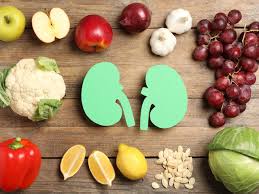
Despite dietary restrictions, there are still many nutritious and delicious options suitable for individuals managing CKD. Experts recommend fruits such as apples, cranberries, grapes, pineapples and strawberries; vegetables including cauliflower, lettuce, onions, peppers and radishes; and baked goods such as pita, tortillas and sourdough bread.
For protein, lean beef and chicken are good options, while white rice and unsalted popcorn can serve as safer carbohydrate sources. Drinking plenty of water remains essential, as it helps the kidneys flush out toxins and supports urine production. Inadequate water intake can lead to kidney stones, while regular hydration supports overall kidney function.
Fatty fish such as salmon and tuna, rich in omega-3 fatty acids, are also beneficial. These essential fats help lower blood pressure — one of the key risk factors for kidney disease. Sweet potatoes, berries, apples and dark leafy greens provide fibre and antioxidants, but those with advanced CKD should consume them in moderation under the guidance of a renal dietitian.
A balanced diet for lifelong kidney health
Medical experts stress that while food alone cannot reverse chronic kidney disease, proper nutrition can significantly slow its progression and improve quality of life. People with CKD are generally advised to reduce protein intake, as excess protein creates waste the kidneys must filter.
The foregoing insights, adapted from Medical News Today, highlight the indispensable role of food in kidney health management. By understanding what to eat (and what to avoid), individuals can protect their kidneys, reduce strain on the body and promote long-term wellness.