



By LIVINUS LONGMIAL
Nigeria’s cultural heritage stands as a vibrant tapestry of diverse traditions, languages and customs that define the identity of its people. In an era where globalisation continues to blur distinct cultural lines, the preservation of Nigeria’s unique heritage has become more crucial than ever.
Our culture embodies the spirit of our ancestors, echoing through the values, practices and traditions that have shaped generations. It is not merely a reflection of the past but a living legacy that connects us to who we are and where we come from.
Challenge of preserving cultural heritage
One of the greatest challenges facing Nigeria today is the gradual erosion of cultural identity, particularly among the younger generation. Western media, technology and modern lifestyles have contributed to cultural homogenisation, often replacing indigenous values with borrowed ideals.
Many young Nigerians have limited understanding of their heritage, traditions and native languages. The lack of proper documentation and preservation mechanisms has compounded this problem, allowing rich oral traditions, artefacts and practices to fade with time. As urbanisation spreads and people move away from their ancestral roots, the risk of cultural extinction becomes even more real.
In this digital age, technology offers powerful solutions for safeguarding Nigeria’s cultural legacy. Through digital documentation, archiving and online platforms, vital cultural materials—songs, dances, folklore, languages and artefacts—can be preserved and made accessible to global and future audiences. The use of digital museums, virtual exhibitions and online learning spaces can breathe new life into old traditions.
Technology can also promote intercultural understanding by showcasing Nigeria’s diversity to the world while inspiring the younger generation to take pride in their identity. By embracing these innovations, we can ensure that the heartbeat of our ancestors continues to echo across time.
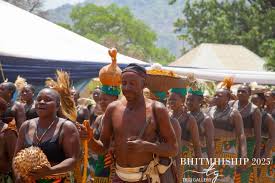
Preserving Nigeria’s cultural heritage is not the duty of government alone but a shared responsibility among individuals, families, communities and institutions. Educational systems should integrate cultural studies into school curricula to help young people appreciate their origins. The government must provide funding and policies that support cultural preservation initiatives, while communities should continue to celebrate and document their traditional festivals, such as the Argungu Fishing Festival in Kebbi State, Nzem Berom in Plateau State and the Goemai culture of Shendam Local Government Area, known for its distinctive marriage customs. These festivals and traditions not only preserve the soul of our culture but also stimulate tourism, create jobs and strengthen social unity.
In the end, preserving Nigeria’s cultural heritage is an investment in the nation’s future. Our traditions and languages are not relics of the past but living testaments to the resilience and creativity of our people. If we value and protect our cultural diversity, we can build a nation proud of its identity—one that honours its ancestors while embracing progress. The heartbeat of our forebears must not be allowed to fade; it must be nurtured so that future generations can inherit the richness of Nigeria’s cultural soul.