


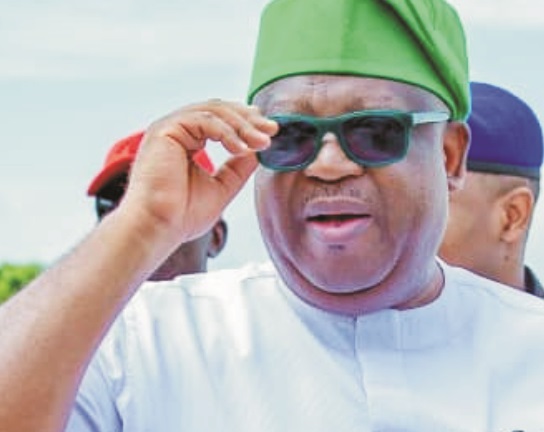

The political climate in Plateau State has in recent times been shaped by intense emotions and deep-seated grievances arising from the 2023 governorship election. In this reflection, DAVID ZOYONG delves into the roots of the growing animosity, the reactions it has sparked among political actors and the broader implications for a state long admired for its communal spirit. His analysis highlights why reconciliation has become essential for restoring Plateau’s once-cherished unity and sense of shared destiny
Once celebrated for its unity and vibrant sense of community, Plateau State now stands at a delicate crossroads. The 2023 governorship election, rather than consolidating democracy and strengthening citizen participation, has left behind a trail of division, bitterness, and political distrust.
From the corridors of power to the streets of Jos and across the local government areas, the aftershocks of the election continue to reverberate. What was once a healthy rivalry of ideas is steadily evolving into a rivalry of emotions, threatening the very cohesion that defined Plateau State for decades.
Aftermath of defeat
At the center of this unfolding tension is Dr. Nentawe Yilwatda, the All Progressives Congress (APC) governorship candidate in 2023, now the national chairman of the party. Widely respected as a technocrat and intellectual, Dr. Nentawe inspired passion among many Plateau citizens who saw in him a promise of renewed leadership.
When the election results did not go according to expectations, the disappointment was profound. Many supporters experienced collective emotional trauma, transforming loyalty into a form of political resistance. A once vibrant campaign structure gradually evolved into a tightly bound movement, fiercely protective of its former candidate and often hostile to opposing views. Some describe it as a “cult-like” following—not in a sinister sense, but as a deep emotional attachment bordering on personal devotion.
The unintended consequence has been growing polarization. Political discussions that once sparked laughter and shared aspirations now ignite suspicion and resentment.
APC’s resolution, its fallout
If the wounds of the election had begun to scab, a recent development reopened them. The Plateau State chapter of the APC passed a startling resolution declaring that the party would not accept the sitting Governor, Barr. Caleb Mutfwang, should he ever consider defecting to their fold.
The declaration was unexpected. Governor Mutfwang, a staunch member of the People’s Democratic Party (PDP), had never hinted at crossing over. In a widely publicised response, he expressed both surprise and amusement, stating that the idea had never crossed his mind. He emphasised that only God and the will of the people could make him take such a critical decision, even though many APC members would welcome him.
Political commentators quickly interpreted the move as an expression of lingering post-election bitterness—a refusal to move on from 2023 and a reflection of the deep mistrust now defining inter-party relations in the state.
Healing, the road ahead
What is unfolding in Plateau is not an isolated event. Across Nigeria, the trauma of electoral loss and the euphoria of victory often create emotional landscapes that breed polarization. When left unaddressed, this trauma hardens into bitterness, which in turn fuels hostility, divides communities and blurs the lines between political allegiance and communal identity.
Plateau State, with its rich history of resilience and hospitality, cannot afford to let political bitterness define its future. Dialogue, shared humanity and political maturity are urgently needed. Leaders—political, religious and community—must rise above personal grudges and channel the passion of their adherents toward rebuilding trust and unity.
Plateau stands at a defining moment. The choice is stark: continue down the path of bitterness and suspicion or rediscover the unity that once made the state a beacon of hope in Northern Nigeria.
As one elder statesman recently remarked: “Plateau’s greatness has never been in its politics, but in its people, and the people must not allow politics to destroy that.”
Apparently, in the end, it is not about who won or lost an election. It is about whether the people of Plateau can reclaim their peace, pride and shared purpose. Certainly, Plateau shall rise again!
Zoyong is the Special Adviser to the Plateau State Governor on Skills Acquisition