


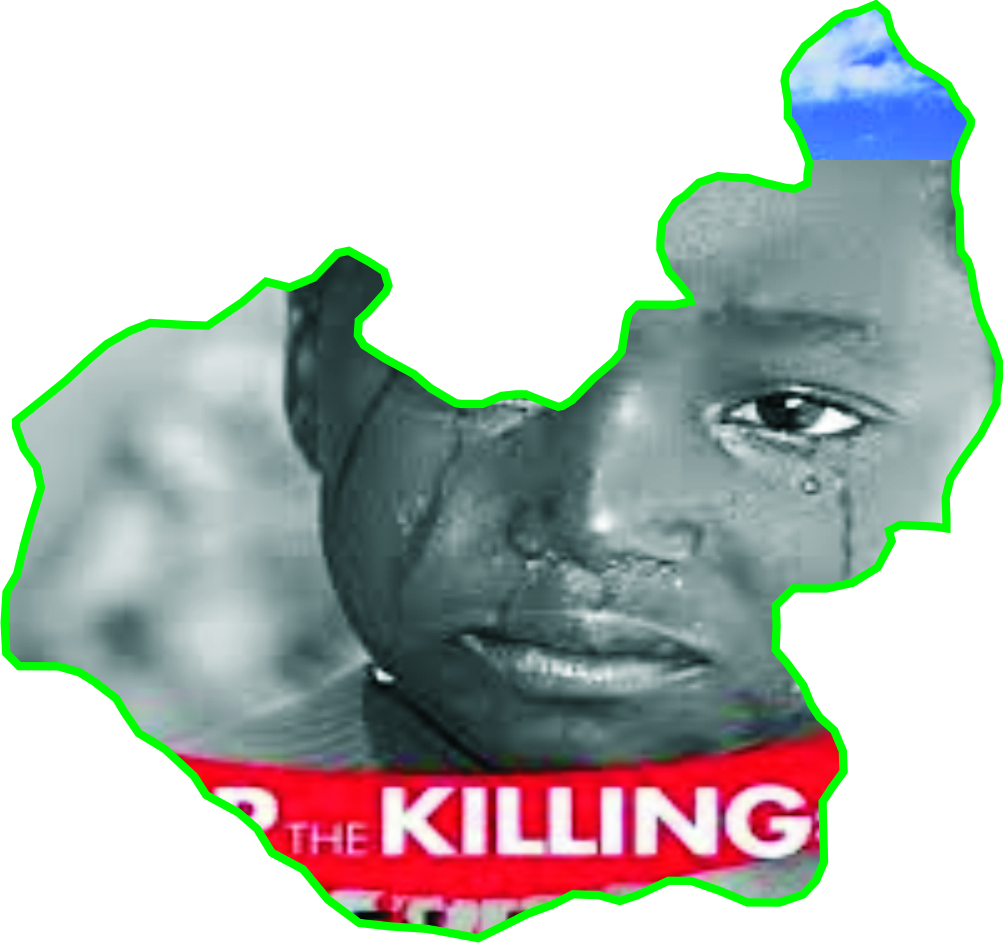

Recently, the Nigerian Army accused the people of Plateau State of escalating insecurity because they attempt to defend themselves against their “rivals.” This statement is not only insensitive; it also fails to reflect the reality on the ground.
Across many Plateau communities, the common experience has been that when residents sense an impending attack and alert security agencies, they do not receive the protection they expect. Casualty figures in some communities have ranged from 20 to over 200 in a single attack. Entire villages have been ransacked and, in many instances, taken over by bandits. The truth is that 90% of Plateau people are unarmed. They are generally peace-loving citizens who often lack even the will to kill in self-defence.
Given these realities, the Army’s claim that insecurity escalates when people defend themselves is difficult to understand. Communities rely heavily on the police, the Army, and the task force for protection. It is the absence or delay of this protection that has often enabled large-scale killings, destruction, and the takeover of settlements. The closest thing to “self-defence” in many communities is the vigilante groups who attempt, sometimes unsuccessfully, to repel attacks. Most of the killings on the Plateau are unprovoked and are concentrated in predominantly Christian areas.
The Nigerian Constitution does not criminalise self-defence; it explicitly permits it. This makes it even more troubling that the Army appears to consider self-defence by Plateau people as a factor worsening insecurity. In reality, the vast majority of residents lack the means to defend themselves. Even acquiring a licensed pump-action rifle is nearly impossible due to widespread poverty. The ordinary person cannot afford ₦500,000 for a weapon, especially not farmers who depend solely on seasonal harvests. Sticks and stones cannot stand against sophisticated firearms such as AK-47 rifles and newer variants.
The Army’s use of the word “rivals” suggests that both attackers and victims operate on equal footing. This is simply untrue. No Plateau community that has been attacked possesses the type of firepower carried by the assailants. If they did, they would not be fleeing their homes, nor would the state have multiple IDP camps filled with displaced citizens. To ask Plateau people not to defend themselves, when they cannot do so in the first place, is effectively to ask them to submit to death when attackers arrive.
We acknowledge the Federal Government’s position that there is no Christian genocide on the Plateau. However, it is difficult to ignore the fact that attacks overwhelmingly target Christian-dominated areas, while Muslim-majority communities remain largely untouched—whether by chance or by design.
The people of Plateau State hold deep respect for the military and its sacrifices. They understand the enormous challenges the armed forces face. Yet the truth remains: if security agencies were fully protecting Plateau communities, the question of self-defence would not even arise. The people will continue to show patience and hope that the military will act decisively, impartially, and effectively to protect every Nigerian.
For a healthy Army-civilian relationship, honest conversations are essential. In August 2021, Vanguard reported that the Plateau State House of Assembly urged citizens to defend themselves because “the conventional security design is no longer guaranteeing our safety.” This was contained in a statement by Hon. Dasun Philip Peter after a world press conference on the state’s security situation. The lawmakers lamented the killings across Bassa, Barkin Ladi, Bokkos, Jos North, Jos South, Mangu, Riyom, the University of Jos community, and Yelwa Zangam. They commended Plateau youths for courageously drawing global attention to the atrocities and, in their frustration, called on citizens “to practically stand up and defend themselves.”
The State Assembly is a constitutionally recognised institution. For its members to openly advise citizens to defend themselves indicates a deep loss of confidence in the ability of security agencies to protect lives. That was in 2021. Between 2021 and 2025, the mass graves and casualty figures speak for themselves. Plateau people remain defenceless. If communities truly possessed the means to protect themselves, the persistent killings by well-armed bandits would have ended long ago.
Rather than issuing statements that appear to blame victims, the Army must demonstrate capacity on the ground. It must protect Plateau communities in such a way that the idea of self-defence becomes unnecessary. Blaming the population for defending themselves—when they have little or no means to do so—is a classic case of victim-blaming.
The Army must also rebuild trust: among lawmakers, among farmers, among youths, and among market women whose lives and livelihoods depend on security. The task before the military is clear—restore peace on the Plateau and restore confidence in its willingness and ability to protect all citizens.
Self-defence is not a crime in Nigeria. The Constitution recognises it when a person has the capacity to act. The real problem is not civilians defending themselves; it is the failure of security agencies to protect them. The Nigerian Army must work to rebuild confidence—not by querying citizens about self-defence, but by fulfilling its mandate without fear, favour, or delay.
In conclusion, it is worth recalling a warning issued seven years ago, published in The Guardian of 28 August 2018. Lt. Gen. Theophilus Danjuma (retd.), former Minister of Defence, lamented that the armed forces were “not neutral,” alleging that they colluded with bandits. He warned Nigerians that relying solely on the military for protection could be fatal, urging citizens to be alert and defend their communities.
His words, painful as they may be, still echo today. When a former Chief of Defence Staff publicly loses confidence in the institution he once led, it is a call for introspection. The Army must retrace its steps, rebuild public trust, and stop blaming the defenseless people of Plateau State for simply wanting to live.
A stronger, healthier relationship between the pen and the sword begins with constructive feedback—and sincere action.