




In this report, JENNIFER YARIMA examines the peculiar fears, cultural beliefs and safety concerns surrounding travel during Nigeria’s
Ember months (September to December). She highlights the myths, realities and rising risks associated with the season, as well as the
warnings and safety measures being put forward by the Federal Road Safety Corps (FRSC), transport operators and unions to safeguard lives on the nation’s highways.
As the end of the year approaches, there’s a general panic that has been a usual trend on the minds of many people as regards safety of travellers in any means of transportation. The most popular is road transportation which seems the most common. Special attention is given to the Ember months (September to December) in Nigeria due to a
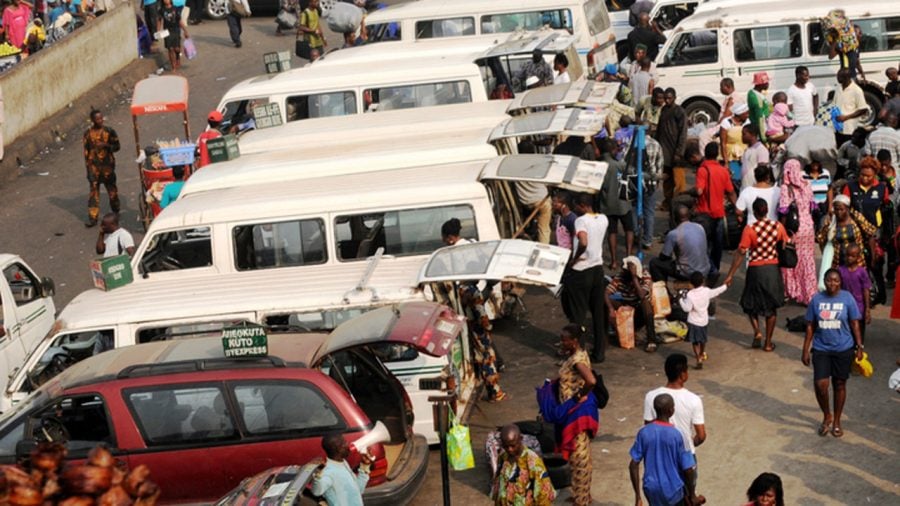
combination of cultural, spiritual and practical reasons.
There’s a cultural belief that the Ember months coincide with harvest festivals, rites of passage, and end-of-year reflections. Many African communities celebrate harvest festivals in September, marking the end of the agricul-
tural year and giving thanks for crops.
Some people believe that the Ember months are spiritually charged, with increased spiritual warfare, accidents and misfortunes. Christians often refer to these months as a time for prayer, fasting and spiritual vigilance to ward off evil.
The Ember months see a surge in human activities, travels and festivities, which can lead to increased exposure to risks, accidents and other such tragedie This is often attributed to reckless human actions, such as speeding, drunk driving and poor vehicle maintenance.
Furthermore, the months are usually associated with increased economic activities, with many people preparing for Christmas and the New Year celebrations.
This can lead to financial pressure, debt and anxiety. Some Nigerians believe that Ember months are inherently more dangerous or cursed, leading to a heightened sense of fear and anxiety. However, many experts attribute the perceived increase in incidents to human actors rather than supernatural forces.
Overall, the Ember months are a complex phenomenon that warrants attention due to their cultural, spiritual and practical significance. By understanding the underlying factors, individuals can take steps to mitigate risks and navigate these months safely.
Rise in travel, risk factors it is no doubt a period of in-creased travel and festivities in Nigeria. To stay safe during this
time, certain obvious facts need to be considered on the parts of motorists as most Nigerian roads across the country are becoming a death trap.

The drivers should avoid speeding, as it’s a major cause of road accidents. When they follow traffic regulations and drive defensively it reduces fear of the unknown.
Night travels are not usually safe even though some people prefer it. It can be avoided or minimized if possible, especially during the Ember months when roads can be more hazardous as armed bandits prowl around to accomplish their nefarious activities.
Most transportation owners pay less attention on regular check and maintenance of their vehicles to prevent breakdowns and accidents.
Some believe that the Ember months are inherently more dangerous for road travel, but statistics show that road accidents can occur throughout the year. People believe that the Ember months are a time when evil spirits are more active, leading to increased misfortunes, while some attribute the perceived increase in accidents and misfortunes during the Ember months to curses or supernatural forces.
However, it’s essential to note that many of these myths can be attributed to cultural beliefs and confirmation bias. By taking practical safety measures and being aware of potential hazards, people can minimise risks during the
Ember months.
FRSC: Advisory, safety measures X-raying the level of preparedness of some relevant authorities to curtail the excesses of motorist at this season and to erode uncertainty on the minds of many, the Public Education Officer,
Federal Roads Safety Corp, Superintendent Route Commander, Peter Y. Longsan, had a chat with THE NIGERIA STANDARD.
He explained: “The Embe Months are the last four months of the year and the first month of the New Year. It has been observed over the years that the traffic graph usually rises within the Ember Months. This is so as the period is characterized by many activities that necessitate human and vehicular movements, ranging from weddings,
thanksgiving occasions, Christmas and New Year festivities, holidays and tours, etc. It is also a period where the demand and distribution of goods and services increase.”
He added that it was also a harvest period where farmers bring home bumper harvests, as such, prices of foodstuffs are cheaper, hence people move around to make purchases for storage, for use and preparatory to Christmas and New Year festivities, and the likes.
The FRSC’s message is always geared towards the safety of lives and property. According to Longsan, in a bid to have safe and guaranteed trips, we all need to understand that safety is everybody’s business and it is a system that requires all stakeholders to play effective roles to ensure the attainment of the ultimate goal of safe arrival by both transporters and commuters, which in turn will be a win-win situation for all. Being a global target, safety should
be prioritised by all.
He strongly advised commuters to patronize only well registered fleet operators and registered terminals and parks. This is because their activities are regulated by FRSC and minimum safety standards are maintained. According
to him, with the current security challenges, commuters should desist from boarding vehicles by the roadside to reduce the chances of becoming victims to kidnappers, ritualists and other bad elements. “They should also plan
their journeys to avoid rush hour and night travels,” he added.
The road safety officer maintained that every successful driving hinges on visibility, and where it is low or absent, there is high tendency of a vehicle in motion to be involved in a road traffic crash.
Drivers, therefore, need to ensure visibility, adopt common sense speed and be more careful while using the road.
It behoves on drivers to ensure timely and adequate vehicle maintenance, since they know that they are likely going to record high patronage. The recommended check list to watch out for include; valid tyres, excellent braking system, excellent lighting system, fully functional speed limiting device, etc. Also, in their maintenance plan, they should not buy substandard or second-hand spare parts.
It has been observed that most times commercial drivers record low patronage due to low human activities in other months of the year, but high patronage within the Ember Months. As such when the Ember months come, some commercial vehicle operators engage in impermissible acts that put their lives and the lives of other road users in jeopardy.
Some of such activities include, driving under the influence, excessive speed, route violation (driving against the traffic), overloading, under-age driving and combining passengers with animals on a passenger carrying vehicle or passengers in a haulage vehicle, among others.
Mr. Longsan stated that because all road users are stakeholders in the business of road safety, it should therefore not be left to only the officials of FRSC as an organization. “I therefore wish to call on the members of the public to reach out to FRSC on its toll-free number 122 to report road traffic crash, gridlock or other road conditions,” he said.
Operator, union respond Gyang Sha, Chief Operating Officer, Plateau Riders, explained: “We try as much as possible to combine safety, comfort and proactive management to protect our commuters. Some of the key safety measures are: Training and retraining drivers on defensive driving and read safety awareness especially for festive season
traffic. Enforce rest period to prevent fatigue, we carry out alcohol/drugs test on all our drivers “We also discourage reckless competition for passengers and reckless driving. Reward drivers who maintain clean accident free record.”
For vehicle safety and maintenance, he said the transport organization has plans to conduct pre-trip inspection on all vehicles daily (for brakes, tyres, light, wipers, seatbelts, fire extinguishers, etc).
“We plan to ensure regular servicing and keep emergency kits on board, replace worn-out tyres and avoid overloading,” he added. The Chairman of National Union of Road Transport Workers, NURTW, Plateau Council, Chief
Alhaji Yakubu Dalyop, explained that his union had scheduled series of awareness education to drivers on the dangers of this period as there’s a general belief that it’s an accident period.
“We have organized awareness programmes for drivers and commuters in conjunction with FRSC, Police and DSS, on safety measures particularly on dangerous driving, worn out tyres, overloading and the need for passengers
to board vehicles at designated and approved motor parks for accountability and safety of commuters,” he disclosed. The chairman pointed out that drivers should ignore undue pressure from commuters to speed up
while driving: “When such happens, drivers are advised to drop them as lives of people are most sacred.” He said that in as much as it’s rush period, it must that destabilize human being. He said that inasmuch as it’ considered a rush period, it must never be a crash moment considered never be a crash moment that would engagements in any way. He added: “Early and careful planning to meet up with scheduled events engagements in any way, he added.
Early and careful planning to meet up with scheduled events that come at such a time saves road users from avoidable misfortunes. Business owners should that come at such a time saves road users from avoidable misfortunes. Business owners should take it easy as some may wish to frequently engage in travelling for more profits. Slow and steady t is the best. The safety of passengers take it easy as some may wish to frequently engage in travelling for more profits. Slow and steady is he best. The safety of passengers is most paramount is most paramount..”