


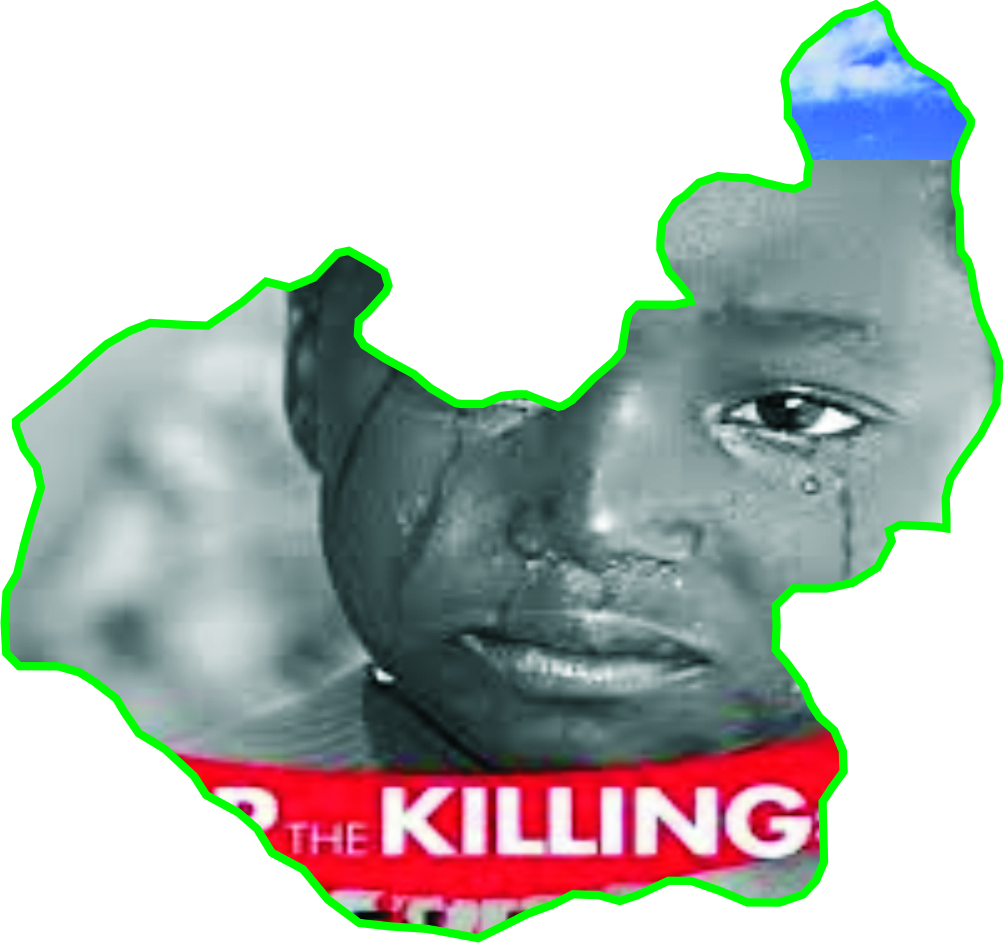


For close to two decades now, Plateau State has remained in the news for the wrong reasons. Once celebrated as the Home of Peace and Tourism, the state has become a flashpoint of recurring violence banditry, and communal killings. Entire communities have been displaced, farmlands destroyed and trust among neighbours shattered.
The story is tragically similar across many local government areas—Barakin Ladi, Riyom, Mangu, Bassa and parts of Jos North and Jos South. The killings have become so frequent that residents now live in constant fear, uncertain of when the next attack might come. This is a tragedy that should concern not just Plateau people but all Nigerians.
A weak security system, culture of impuninty
The persistence of these killings exposes the weakness of the state’s security architecture. In many instances, attacks are reported hours before they occur, yet no meaningful preventive action is taken. Villages are razed, lives lost and perpetrators vanish without a trace. Such failure has fostered a dangerous culture of impunity.
The cooperation between federal security agencies and local security outfits remains poor. The lack of coordination and inadequate intelligence sharing continue to hamper quick responses to distress calls. It is high time security operations on the Plateau were reorganised to prioritise community-based intelligence gathering and rapid response mechanisms.
One major reason for the persistence of violence is the absence of justice. For every attack that leaves scores dead, very few suspects are ever arrested or prosecuted. This lack of accountability emboldens others to kill again.
The government, both at the federal and state levels, must demonstrate that human life truly matters by ensuring that perpetrators are identified, arrested and punished according to the law. Justice must be even-handed and devoid of ethnic, religious or political bias. Only then can victims and survivors begin to heal.
Plateau’s crises are often portrayed through ethnic and religious lenses. But the truth remains that no community benefits from endless conflict. It is time to rebuild trust through genuine dialogue—not mere political posturing or photo opportunities. Traditional rulers, community leaders, youth groups and religious bodies must be encouraged to sit together and develop homegrown solutions to local disputes.
Reconciliation must rest on truth, forgiveness, and restitution. Lasting peace cannot emerge from peace committees alone; it requires sincere engagement between communities and a collective willingness to move forward.
Addressing the socio-economic roots of conflict
Beyond security and dialogue, the socio-economic dimension of the crisis cannot be ignored. Poverty, unemployment and lack of access to land have made many young people easy targets for manipulation by conflict merchants. The government must invest in youth empowerment, vocational training and agricultural initiatives that can restore livelihoods and hope.
Education must also be prioritised. A generation of children is growing up in internally displaced persons (IDP) camps, disconnected from school and the promise of a better life. If this situation is not urgently addressed, it could breed another cycle of resentment and violence.
Above all, leadership at every level must rise to the challenge. Political leaders on the Plateau must stop exploiting ethnic and religious sentiments for personal gain. What the state needs now is not rhetoric but honest leadership that can unite its diverse people around a shared vision of peace and progress.
Peace will not come through wishful thinking. It will come when justice replaces impunity, when leadership becomes sincere, and when citizens refuse to be divided by those who profit from chaos. Plateau can be peaceful again. But only if all stakeholders accept responsibility and work together to make it so.