



By SAMSON EBIRERI
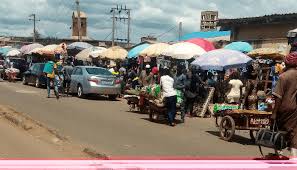
By day, Old Airport Road in Jos, Plateau State, hums with life. Traders display their goods, commuters rush to offices and students fill the sidewalks. From bustling mechanic workshops to food vendors and phone accessory shops, the road is a picture of economic activity and youthful energy.
But as daylight fades and streetlights flicker on, the once-busy business hub takes on a different character — one that many residents describe as the “dark side” of the city.
“By 8 p.m., everything changes,” says Musa Ibrahim, a commercial driver who works along the route. “The same spots where people sell drinks during the day become meeting points for young girls at night. It’s like two different worlds sharing one road.”
At night, groups of young women — many in their early twenties — emerge, dressed for attention. They linger around bars, hotels and junctions, waiting for potential customers. Locals say these women, popularly called “oloshos” in street slang, have turned Old Airport Junction into a major hotspot for prostitution in Jos.
Ruth Daniel, a food vendor whose stall sits opposite one of the busy lounges, explained, “Once it gets dark, I close. The kind of people that start coming out are not the regular customers. You will see cars — flashy ones — stopping by. The men pick the girls, talk for a few minutes, and then drive off.”
Car owners play a significant role in the nighttime trade. Many drive slowly along the road, scanning for women to pick up. Others park briefly to negotiate prices before disappearing into dimly lit inner streets or nearby guesthouses.
John Yakubu, a resident who has lived in the area for over 10 years, said the situation has worsened in recent times. “In the past, you would only see a few of them, but now they are everywhere. Sometimes you even see university students from nearby campuses joining in. Things are tough, and many say they’re just trying to survive.”
While the economic downturn is often blamed for pushing young women into prostitution, some also point to social media influence and the allure of fast money.
Security agents occasionally patrol the area. But locals say the problem persists due to poor enforcement and lack of rehabilitation programmes.
Sergeant Luka Audu, a police officer stationed nearby, acknowledged the challenge. “We try to move them away, but they always return. It’s not just about arresting people — there has to be a solution that addresses poverty and unemployment,” he said.
Community leaders and youth groups have begun advocating for more proactive measures. Mrs Grace Pam, a women’s rights advocate, pointed out, “These girls need support, not shame. If we create skill centres, mentorship programmes, and real jobs, many of them will leave the street.”
For now, Old Airport Junction remains a place of contrasts — a symbol of Jos’s economic potential by day and its social struggles by night. As businesses open each morning and nightlife fades, the street silently prepares for its next transformation when darkness falls again.